How to Become an Art Director in the UK
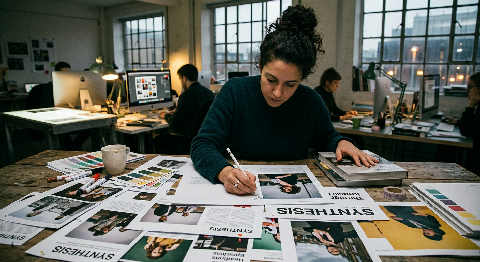
Art directors set the visual direction of advertising campaigns, brand work, magazines, websites and products. You develop ideas with a copywriter or creative team, brief designers, photographers and illustrators, review work against the brief, and present concepts to clients or senior stakeholders.
Nobody starts as an art director. Most people study graphic design, illustration or advertising, then spend five to ten years as a junior, middleweight and senior designer, building a portfolio and leading small projects before being promoted. In advertising agencies, some start as junior creatives in art director and copywriter pairs.
Quick facts
- Starting salary
- £40,000 - £55,000
- Mid-career salary
- £60,000 - £85,000
- Senior salary
- £90,000 - £140,000+
- Work environment
- Agency, studio or in-house; lots of meetings
- Time to entry
- 5 - 10 years (usually senior designer first)
- Degree required
- Not required - portfolio + leadership track record
- Category
- Design and Creative
Compare pay across careers in the UK salaries by career report. Also in: High-paying careers, No-degree careers, Creative careers.
What a Art Director does
Lead the visual direction of campaigns, products or publications - shaping look, feel and quality.
How to become an art director in the UK
There is no required qualification. Most art directors have a degree or foundation course in graphic design, illustration, communication design or advertising, but employers hire on portfolio and track record. The usual path is junior graphic designer, then middleweight and senior designer, then art director, taking on more briefing, client contact and team leadership along the way. In advertising, junior creative teams often get in through agency placements, and D&AD's New Blood programme is a well-known showcase for emerging talent. Art direction in film and TV is a separate route through the art department.
- Study graphic design, illustration, communication design or advertising at foundation or degree level, or teach yourself and build a strong portfolio.
- Build a focused portfolio of your strongest projects that shows ideas, not just finished visuals, including how you solved each brief and what happened next.
- Get a junior designer job or agency placement, and learn typography, layout, photography direction and print and digital production to a high standard.
- Ask to lead small shoots, campaigns or brand projects as a middleweight or senior designer, so you can show you can brief and direct others.
- Practise presenting concepts to clients and senior colleagues, explaining the thinking behind the visuals, as this is a large part of the job.
- In advertising, find a copywriter partner and answer D&AD New Blood briefs or apply for agency placement schemes to get noticed as a creative team.
- Apply for art director roles once your portfolio shows leadership, and consider moving between agency and in-house teams to broaden your experience.
| Route | How long | Cost | Best for |
|---|---|---|---|
| Design degree, then junior to senior designer | 5-10 years | Tuition fee loan | Most art directors |
| Advertising placements as a junior creative team | Several years | Paid placements, often short-term | Ideas-led people drawn to advertising |
| Self-taught designer with a strong portfolio | 5-10 years | Low: software and short courses | Career changers with design talent |
| Senior in-house designer promoted to art director | 5-10 years | Paid work | Designers in brand or publishing teams |
How long it takes
Expect five to ten years, usually working up from junior designer to senior designer before your first art director role. In advertising, strong creative teams can sometimes be promoted faster.
Art Director salary in the UK
Art directors usually earn around £40,000 to £55,000 in their first art director role. Experienced art directors earn about £60,000 to £85,000, and senior art directors and associate creative directors at large agencies or brands reach £90,000 to £140,000 or more. Advertising agencies and big consumer brands in London usually pay the most, while smaller studios and publishing pay less. Freelance art directors charge day rates, which can pay well but bring gaps between bookings.
Key skills
- Visual taste
- Design leadership
- Concept development
- Briefing
- Presenting work
Art Director FAQs
How do I become an art director in the UK?
Study design or build a strong portfolio, get a junior designer role or agency placement, and work up through middleweight and senior designer roles. Take on briefing, shoots and client presentations as you go. Most people become art directors after five to ten years.
Do you need a degree to be an art director?
No. Most art directors studied graphic design, illustration or advertising, but employers judge you on your portfolio and leadership track record. A degree helps with contacts and early skills, but a strong self-built portfolio can win you the same jobs.
How much does an art director earn?
First art director roles pay around £40,000 to £55,000. Experienced art directors earn about £60,000 to £85,000, and senior art directors at big agencies or brands reach £90,000 to £140,000 or more. London advertising roles typically pay the most.
What is the difference between an art director and a creative director?
An art director leads the visual side of specific projects or campaigns. A creative director oversees all creative output, including copy and visuals, across many projects or a whole agency or brand. Many creative directors were art directors or copywriters first.
Related careers
Is Art Director right for you?
Career Compass ranks careers from your interests and priorities and explains every suggestion, with UK routes and trade-offs. See how well Art Director actually fits you. £19.99 once, full report included.
Still deciding whether art director is the career for you? Here is which career test is actually worth taking, and what a free quiz will not tell you.