How to Become an Auction Specialist in the UK
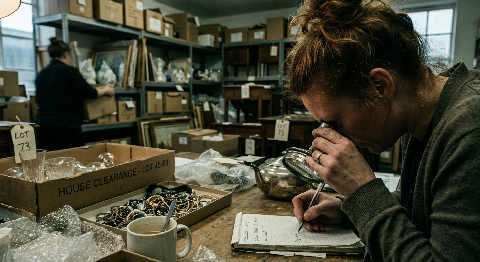
Auction specialists are experts in one category, such as paintings, watches, jewellery, ceramics, coins or books, working within an auction house department. You research, identify and value items brought in by clients, write catalogue descriptions, set estimates, advise sellers and buyers, and attend valuation days, home visits and the sales themselves.
There is no formal qualification, and entry is competitive. Most specialists start as cataloguers, porters, administrators or junior specialists, often after a degree in art history or a related subject, and build expertise in one area over several years.
Quick facts
- Starting salary
- £24,000 - £30,000
- Mid-career salary
- £35,000 - £48,000
- Senior salary
- £55,000 - £85,000
- Work environment
- Auction house, travel for valuations
- Time to entry
- 2 - 5 years auction house background
- Degree required
- Preferred - art history, gemmology
- Category
- Design and Creative
Compare pay across careers in the UK salaries by career report. Also in: High-paying careers, Creative careers.
What a Auction Specialist does
Catalogue and value items in a specialist department (paintings, watches, jewellery) at an auction house.
How to become an auction specialist in the UK
Many specialists have a degree in art history, history, archaeology or a related subject, and some take a postgraduate course in art business or connoisseurship. For jewellery, a gemmology qualification such as the Gem-A Gemmology Diploma (FGA) is highly valued. The most common way in is a junior job at an auction house, such as porter, cataloguer, saleroom assistant or department administrator, where you learn by handling large numbers of objects. Regional and specialist auction houses can give earlier hands-on responsibility than the biggest London salerooms. Experience in the antiques trade, a museum or a dealership also helps.
- Pick a specialist area you already know or can study deeply, such as watches, jewellery, ceramics, coins, books or modern art, and start learning prices from past results.
- Visit auction viewings regularly and handle objects where allowed, as recognising condition, materials and fakes comes mainly from seeing large numbers of items.
- Apply for porter, cataloguer, saleroom assistant or administrator roles at regional and London auction houses, which are the usual first step.
- For jewellery, study gemmology with Gem-A; for art, consider an art history degree or a postgraduate course in art business.
- Practise writing short, accurate catalogue descriptions with condition notes, and research past sale results to support your estimates.
- Volunteer or work at a museum, antiques fair, dealer or valuation day to build object knowledge and contacts in your chosen field.
| Route | How long | Cost | Best for |
|---|---|---|---|
| Junior role at an auction house | 2-5 years | None, paid work | Getting hands-on object experience |
| Art history or related degree | 3 years | Tuition fee loan | School leavers aiming at fine art |
| Gemmology Diploma, then jewellery department | 1-2 years of study | Varies by provider | Jewellery and watch specialists |
| Antiques trade or dealer experience | Varies | None | People with existing collecting knowledge |
How long it takes
Expect 2 to 5 years in an auction house before you are trusted with your own valuations or take the rostrum as an auctioneer. A relevant degree or gemmology qualification can help you land the first junior role sooner.
Auction Specialist salary in the UK
Auction specialists in the UK usually start on around £24,000 to £30,000 in junior or cataloguer roles. With several years' experience, pay rises to around £35,000 to £48,000, and senior specialists and department heads earn around £55,000 to £85,000. The biggest London auction houses and high-value categories such as fine art, watches and jewellery tend to pay more. Regional houses usually pay less but offer earlier responsibility, and some experienced specialists move into dealing as a fine art dealer or become independent valuers.
Key skills
- Cataloguing
- Valuation
- Client relations
- Specialist subject knowledge
Auction Specialist FAQs
How do I become an auction specialist in the UK?
Most specialists start in a junior auction house job such as porter, cataloguer or administrator, often after a degree in art history or a related subject. You build expertise in one category by handling objects, researching past sales and learning from senior specialists.
Do I need a degree to work at an auction house?
Not always. Many specialists have a degree in art history or a related subject, and it helps at the larger houses. Deep knowledge of a category, such as watches or coins, and hands-on experience can matter more, especially at regional and specialist auction houses.
How much does an auction specialist earn in the UK?
Junior and cataloguer roles pay around £24,000 to £30,000. Experienced specialists earn £35,000 to £48,000, and senior specialists or heads of department £55,000 to £85,000. Pay is usually highest at the major London houses.
What is the difference between an auction specialist and an auctioneer?
An auction specialist researches, catalogues and values items in one category. An auctioneer conducts the sale from the rostrum. In many regional auction houses the same person does both, while larger houses tend to separate the roles.
Is Auction Specialist right for you?
Career Compass ranks careers from your interests and priorities and explains every suggestion, with UK routes and trade-offs. See how well Auction Specialist actually fits you. £19.99 once, full report included.
Not sure auction specialist is the right career for you? A good career test narrows the field before you spend money retraining.