How to Become Cabin Crew in the UK
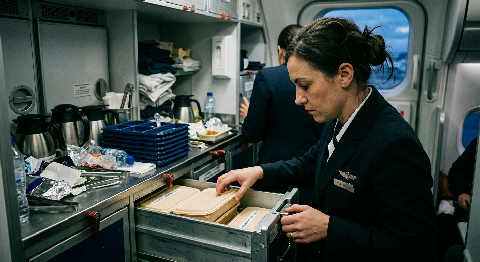
Cabin crew are responsible for passenger safety and comfort on board aircraft. Before each flight you complete safety checks, then you demonstrate safety procedures, serve food and drinks, sell onboard products, deal with medical incidents and disruptive passengers, and lead evacuations if needed. Rosters include early starts, night flights, weekends and nights away from home on long-haul routes.
You do not need a degree or any prior qualification. Airlines recruit directly and train you themselves. Many successful applicants have worked as a bartender, in hotels or retail, or as a cruise ship worker.
Quick facts
- Starting salary
- £24,000 - £27,000
- Mid-career salary
- £27,000 - £32,000
- Senior salary
- £32,000 - £45,000
- Work environment
- Aircraft, irregular hours, frequent travel
- Time to entry
- 0 - 6 months (airline training)
- Degree required
- Not required
- Category
- Aviation and Aerospace
Compare pay across careers in the UK salaries by career report. Also in: No-degree careers, Career change.
What a Cabin Crew does
Look after passengers in the air - safety, service, and keeping the cabin running smoothly.
How to become a cabin crew in the UK
Apply directly to airlines when they recruit, often ahead of the summer season. Most UK airlines ask that you are at least 18, have the right to work in the UK, hold a passport allowing unrestricted travel and meet a height or arm-reach requirement, and some ask you to swim a set distance. You must pass a medical and background checks covering the last five years, which are needed for an airside pass. Successful applicants complete several weeks of airline training in safety, first aid and service, leading to a Cabin Crew Attestation under UK Civil Aviation Authority (CAA) rules. Paid private cabin crew courses are not required.
- Check each airline's requirements for age, height or arm reach, passport and swimming ability before you apply, as they differ between carriers.
- Get customer service experience in hospitality, retail or care, which airlines value because most of the job is managing people calmly.
- Gather your full employment, education and gap history for the last five years, with contacts, as airside background checks need references covering every gap.
- Prepare for assessment days, which usually include group exercises, an interview and a reach or height check, sometimes with a short written test.
- Complete the airline's initial training of several weeks, covering safety and emergency procedures, first aid and service, to earn your Cabin Crew Attestation.
- After a season or two, apply for long-haul, senior crew or purser roles, or move into business aviation if you want private jet work.
| Route | How long | Cost | Best for |
|---|---|---|---|
| Direct entry with a short-haul airline | Several weeks of training | Free, airline-provided | Most new starters |
| Seasonal contract with a holiday airline | One summer season | Free, airline-provided | Trying the job first |
| Direct entry with a long-haul airline | Several weeks of training | Free, airline-provided | People wanting longer trips |
| Private cabin crew course first | Days to weeks | Varies by provider, not required | Extra interview preparation only |
How long it takes
Once an airline offers you a job, training usually takes several weeks, so you can be flying within a few months of applying. The wait depends on when airlines recruit, which is often ahead of the summer season.
Cabin Crew salary in the UK
Cabin crew salaries typically start around £24,000 to £27,000, rising to about £27,000 to £32,000 with experience. Senior crew, pursers and cabin managers earn roughly £32,000 to £45,000. A large part of pay comes from flight pay, allowances and commission on onboard sales, so earnings change month to month. Long-haul flying generally pays more than short-haul, and basic salaries can be low compared with total pay, so check how each airline builds its package.
Key skills
- Customer service
- Calm under pressure
- Teamwork
- Stamina
Cabin Crew FAQs
How do I become cabin crew in the UK?
Check airline requirements, build customer service experience and apply directly when airlines recruit. If you pass the assessment day, background checks and medical, the airline trains you for several weeks and you receive a Cabin Crew Attestation before you fly.
Do you need qualifications to be cabin crew?
No degree or formal qualification is needed. Airlines look for good spoken English, basic numeracy and strong customer service, and some value a second language. Paid private courses are not required, as airlines provide all the training you need to fly.
How much do cabin crew earn in the UK?
Starting pay is around £24,000 to £27,000, rising to about £27,000 to £32,000 with experience. Senior crew and cabin managers earn roughly £32,000 to £45,000, with flight pay, allowances and onboard sales commission making up much of the total.
Can you be cabin crew with tattoos?
Often, yes, but policies vary. Some airlines now allow visible tattoos if they are not offensive, while others require them to be covered by the uniform. Check each airline's appearance policy before you apply, and ask at the assessment day if you are unsure.
Is Cabin Crew right for you?
Career Compass ranks careers from your interests and priorities and explains every suggestion, with UK routes and trade-offs. See how well Cabin Crew actually fits you. £19.99 once, full report included.
Still deciding whether cabin crew is the career for you? Here is which career test is actually worth taking, and what a free quiz will not tell you.