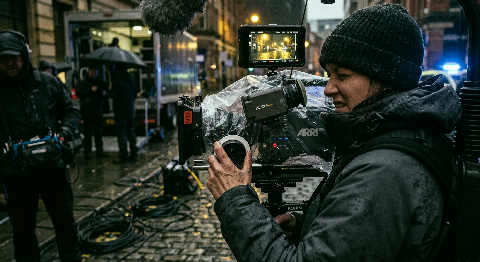
How to Become a Camera Operator in the UK
Camera operators frame and capture the shots on drama, documentaries, live sport, news, studio shows and corporate films. Depending on the production, you might operate a camera on a dolly or crane, run a handheld camera on an observational documentary, or be one of many cameras on an outside broadcast.
Most work in TV and film is freelance, and very few people walk straight into the operator's seat. The usual route is runner or camera trainee, then camera assistant, then operator, building contacts and credits along the way. Studios and outside broadcast companies sometimes employ staff operators.
Quick facts
- Starting salary
- £25,000 - £30,000
- Mid-career salary
- £35,000 - £45,000
- Senior salary
- £55,000 - £80,000+ (freelance day rates higher)
- Work environment
- Set, location, OB
- Time to entry
- 2 - 5 years
- Degree required
- Preferred
- Category
- Marketing and Media
Compare pay across careers in the UK salaries by career report. Also in: High-paying careers, Creative careers, Career change.
What a Camera Operator does
Operate professional cameras on set, location, OB or studios - drama, factual, sport or news.
How to become a camera operator in the UK
There is no required qualification, but you need hands-on camera experience and credits. In drama, people usually start as a camera trainee, then work up through clapper loader or second assistant and focus puller before operating. In factual, news and corporate work, many start as a self-shooting assistant producer or video producer and build up their own kit and showreel. Film and TV degrees, the National Film and Television School and ScreenSkills trainee schemes are common starting points. Joining the union Bectu and keeping your details on crew databases helps you find work.
- Learn camera fundamentals hands-on, including exposure, frame rates, lenses, composition and smooth camera movement, using any camera you can borrow or hire.
- Shoot short films, music videos or events with student and local filmmakers to build a showreel that shows composition and movement, not just pretty images.
- Look for camera trainee placements through ScreenSkills and production company schemes, and work as a runner to get onto sets and meet camera crews.
- Learn the camera assistant jobs, such as building rigs, managing media, slating and pulling focus, because operators usually hire people they have worked with.
- Join Bectu and list yourself on crew databases and regional screen agency directories so camera teams can find you when they need a trainee or assistant.
- Hold a full driving licence and learn to handle kit safely, as camera departments often need you to move equipment and work long location days.
- Pick a lane as you progress, such as drama, live sport and outside broadcast, or documentary self-shooting, because each has different kit and contacts.
| Route | How long | Cost | Best for |
|---|---|---|---|
| Runner or camera trainee, then assistant | 2-5 years | Paid work | Drama and film camera departments |
| Film or TV production degree | 3 years | Tuition fee loan | Building skills, kit access and contacts |
| Specialist film school such as the NFTS | 1-2 years | Postgraduate fees | Aspiring drama camera crew |
| Self-shooter in factual or corporate video | 1-3 years | Own kit costs | Documentary, news and online content |
How long it takes
Expect two to five years from your first runner or trainee job to regular paid operating work. Self-shooters in factual and corporate video can get paid camera work sooner, but drama operating usually takes longer.
Camera Operator salary in the UK
Staff camera operators usually start on around £25,000 to £30,000, rising to about £35,000 to £45,000 with experience. Senior operators, specialist operators such as Steadicam or crane operators, and directors of photography can earn £55,000 to £80,000 or more. Most camera work is freelance and paid by the day, and freelance day rates are higher than the staff equivalent, but gaps between jobs are common. Drama and commercials usually pay more than corporate work, and owning in-demand kit can raise your rate.
Key skills
- Camera operation
- Composition
- Lighting awareness
- Stamina
Camera Operator FAQs
How do I become a camera operator in the UK?
Start as a runner or camera trainee, learn the camera assistant roles, and build a showreel and contacts. ScreenSkills schemes, film school and student or local productions are common ways in. Most operators work up through the camera department before operating on bigger productions.
Do you need a degree to be a camera operator?
No. Productions hire on credits, showreel and recommendations. A film or TV degree or a film school course can give you kit access, practice and contacts, but plenty of operators started as runners or trainees and learned on set.
How much does a camera operator earn?
Staff roles start around £25,000 to £30,000 and reach about £35,000 to £45,000 with experience. Senior and specialist operators can earn £55,000 to £80,000 or more. Freelancers earn day rates that are higher than staff pay, but work is not guaranteed every week.
Is camera operating a freelance job?
Mostly, yes. In drama, documentary and commercials, nearly everyone is hired per production. Some studios, broadcasters and outside broadcast companies employ staff operators. As a freelancer you register as self-employed, manage your own tax and insurance, and need savings to cover quiet periods.
Is Camera Operator right for you?
Career Compass ranks careers from your interests and priorities and explains every suggestion, with UK routes and trade-offs. See how well Camera Operator actually fits you. £19.99 once, full report included.
Not sure camera operator is the right career for you? A good career test narrows the field before you spend money retraining.