How to Become a Creative Producer in the UK
Creative producers turn ideas into finished work on time and on budget. In an advertising agency, production company, brand team or design studio, you scope the job, build the budget and schedule, book crew, talent, locations and suppliers, handle usage rights and approvals, and keep the client informed until the final assets are delivered. The work covers video shoots, photography, digital campaigns, events and branded content.
There is no formal route in. Most producers start as production assistants, coordinators, runners or project coordinators and work their way up by running bigger jobs.
Quick facts
- Starting salary
- £28,000 - £40,000
- Mid-career salary
- £48,000 - £70,000
- Senior salary
- £80,000 - £130,000
- Work environment
- Office, studio or remote
- Time to entry
- 1 - 3 years
- Degree required
- Not required - portfolio matters most
- Category
- Marketing and Media
Compare pay across careers in the UK salaries by career report. Also in: High-paying careers, No-degree careers, Creative careers, Career change.
What a Creative Producer does
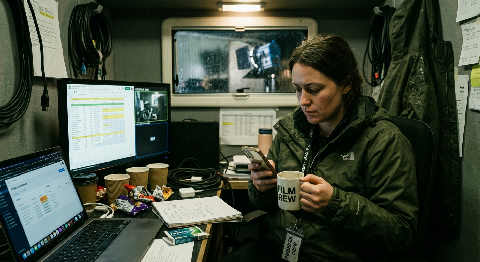
Run creative projects end-to-end - budgets, talent, timelines and final delivery.
How to become a creative producer in the UK
No degree or licence is required, though many producers have degrees in media, film, marketing or a creative subject. The usual route is an entry-level job as a runner, production assistant, junior producer or project coordinator in an agency, production company or in-house studio, then progressing as you handle larger budgets. ScreenSkills, the skills body for the UK screen industries, lists training and trainee opportunities in film and TV production. Learn budgeting, scheduling, call sheets, health and safety on shoots, and how talent and music licensing work.
- Get a job as a runner, production assistant or project coordinator at an agency, production company or in-house brand studio to learn how shoots and campaigns are run.
- Learn to build a production budget and schedule in a spreadsheet, including crew, kit hire, locations, insurance, contingency and post-production.
- Practise writing clear call sheets, risk assessments and delivery specifications, as these are the documents producers are judged on.
- Learn the basics of usage rights, talent buyouts and music licensing so you can protect clients from costly rights problems after a campaign goes live.
- Keep a producer's portfolio listing each project, your role, budget size and deliverables, with links to the finished work.
- Build a contact book of reliable freelance crew, photographers, editors and suppliers, because your network is a large part of what employers hire you for.
- Step up to junior or creative producer roles once you have run several jobs end to end, or go freelance once you have regular clients.
| Route | How long | Cost | Best for |
|---|---|---|---|
| Runner or production assistant | 1-3 years to producer | Paid role, often low starting pay | School leavers and graduates |
| Project coordinator in an agency | 1-2 years | Paid role | Organised people from marketing or admin |
| Media, film or marketing degree | 3 years | Tuition fee loan | People who want placements and contacts |
| Move across from events or project management | Varies | No direct cost | Career changers with delivery experience |
How long it takes
Expect one to three years in assistant or coordinator roles before you are trusted to produce jobs yourself. People moving across from event manager or project manager roles can sometimes step up faster.
Creative Producer salary in the UK
Creative producers usually start on around £28,000 to £40,000 once they are past assistant level. Mid-level producers running larger campaigns earn about £48,000 to £70,000. Senior and executive producers at major agencies, brands or production companies can earn £80,000 to £130,000. London pays the most, and advertising and brand work generally pays more than arts or charity work. Many producers work freelance on day rates, which can pay well but is irregular, so budget for quiet months.
Key skills
- Project mgmt
- Budgeting
- Crew booking
- Client comms
- Problem solving
Creative Producer FAQs
How do I become a creative producer?
Start as a runner, production assistant or project coordinator in an agency, production company or brand studio. Learn budgeting, scheduling and call sheets, keep a record of every job you help deliver, and step up to producing once you have run projects end to end.
Do you need a degree to be a creative producer?
No. Employers care more about what you have delivered, how organised you are and who you know. A degree in media, film or marketing can help you get placements and first jobs, but many producers started as runners without one.
How much does a creative producer earn in the UK?
Creative producers typically start on around £28,000 to £40,000. Mid-level producers earn about £48,000 to £70,000, and senior or executive producers at major agencies and brands can earn £80,000 to £130,000. Freelance day rates vary widely.
What is the difference between a creative producer and a project manager?
Both manage time, budget and people, but a creative producer also shapes how the work gets made: choosing crew, talent and locations, solving problems on shoots and protecting the idea. Project managers in agencies focus more on process, resourcing and reporting.
Is Creative Producer right for you?
Career Compass ranks careers from your interests and priorities and explains every suggestion, with UK routes and trade-offs. See how well Creative Producer actually fits you. £19.99 once, full report included.
Comparing creative producer with other careers? A career quiz gives you a type; a proper assessment gives you reasons, routes and trade-offs.