How to Become a Delivery Driver in the UK
Delivery drivers move parcels, food, furniture and goods from depots and shops to homes and businesses. Most drive vans on multi-drop rounds for parcel carriers, supermarkets, wholesalers and local firms; others deliver takeaway food by car, bike or moped through apps. It is one of the quickest jobs to start: with a full UK driving licence, many people are working within weeks.
The choices that matter are whether you work as an employee, through an agency or for yourself, and who provides the vehicle. This guide covers the licence you need, the main types of delivery work, insurance if you are self-employed, what the job is really like and what drivers earn.
Quick facts
- Starting salary
- £24,000 - £28,000
- Mid-career salary
- £28,000 - £35,000
- Senior salary
- £35,000 - £45,000
- Work environment
- Van, lots of stops, all weather
- Time to entry
- 0 - 1 month
- Degree required
- Not required (driving licence)
- Category
- Transport and Logistics
Compare pay across careers in the UK salaries by career report. Also in: No-degree careers, Career change.
What a Delivery Driver does
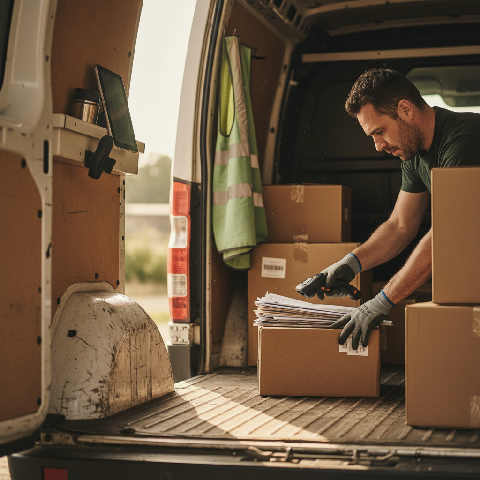
Deliver parcels, food, or goods locally - often using a van or car.
How to become a delivery driver in the UK
You need a full UK driving licence, and many employers and their insurers set a minimum age and limit penalty points. A standard category B car licence covers vans up to 3.5 tonnes, which is most parcel and multi-drop work. Larger vehicles need a C1 or HGV licence.
Then choose how you want to work. Employed and agency drivers usually get a van, fuel and set hours, with holiday pay. Self-employed couriers and multi-drop drivers set more of their own hours, but they usually pay for their own van or hire, fuel and insurance, and they register with HMRC and pay tax through Self Assessment. Standard car insurance normally excludes deliveries, so self-employed drivers need courier insurance with goods in transit cover.
- Check your licence: a standard category B car licence lets you drive vans up to 3.5 tonnes, which covers most parcel and multi-drop delivery work.
- If you passed your car test before 1 January 1997, check whether your licence includes category C1, which covers vehicles up to 7.5 tonnes.
- Decide between employed driving, agency work, and self-employed courier or app-based delivery, comparing pay, fuel costs and who provides the van.
- If self-employed, register with HMRC and get courier or business insurance with goods in transit cover, as standard car insurance usually excludes deliveries.
- Keep your licence clean, because many employers' insurers limit penalty points and set a minimum age or years of driving experience.
- Get used to handheld scanners and route planning apps, and prepare for heavy lifting, stairs and tight delivery slots on multi-drop rounds.
- To earn more, consider a C1 or HGV licence, or move into specialist work such as two-person furniture delivery or temperature-controlled routes.
| Route | How long | Cost | Best for |
|---|---|---|---|
| Employed van driver | Days to weeks | Free | Steady hours and holiday pay |
| Agency driving | Days | Free | Flexible work and trying different firms |
| Self-employed courier or multi-drop driver | A few weeks | Van, fuel and insurance costs | Setting your own hours |
| App-based food or parcel delivery | Days to weeks | Your own vehicle and insurance | Part-time or extra income |
How long it takes
With a full UK driving licence, most people start delivery work within a month once employer checks and any induction are complete. Self-employed drivers may need a little longer to arrange insurance and a vehicle.
Delivery Driver salary in the UK
Employed delivery drivers usually start on around £22,000 to £28,000, with experienced drivers earning £28,000 to £35,000 and senior or specialist drivers £35,000 to £45,000. Self-employed couriers are usually paid per drop or per route, so earnings depend on how many stops you complete and your costs. Moving to an HGV licence is the usual way to earn more, with HGV drivers on higher pay.
Is delivery driver a good career?
Delivery driving is a good option if you want work you can start quickly, enjoy driving and being on the move, and don't mind physical work. It is also a stepping stone to better-paid driving, such as HGV work. The trade-offs are long days, time pressure and, for self-employed drivers, costs that come out of your earnings.
Key skills
- Driving
- Time management
- Customer interaction
- Stamina
Delivery Driver FAQs
What licence do I need to be a delivery driver?
A full UK category B car licence lets you drive vans up to 3.5 tonnes, which covers most parcel and multi-drop delivery work. Larger vehicles need a C1 licence, and lorries need an HGV licence.
How do I become a delivery driver with my own van?
Register with HMRC as self-employed, get courier insurance with goods in transit cover, and sign up with a parcel carrier, agency or local firm that uses self-employed drivers. Compare pay per drop against your fuel, van and insurance costs before you commit.
Do you need experience to be a delivery driver?
Usually not. Most employers want a full licence and a good driving record, and they train you on the route, scanner and safe lifting. Some insurers set a minimum age or number of years with a licence.
How much do delivery drivers earn in the UK?
Employed delivery drivers usually earn around £22,000 to £28,000 to start and £28,000 to £35,000 with experience. Self-employed couriers are paid per drop or route, so earnings depend on the number of stops and their costs.
Is Delivery Driver right for you?
Career Compass ranks careers from your interests and priorities and explains every suggestion, with UK routes and trade-offs. See how well Delivery Driver actually fits you. £19.99 once, full report included.
Still deciding whether delivery driver is the career for you? Here is which career test is actually worth taking, and what a free quiz will not tell you.