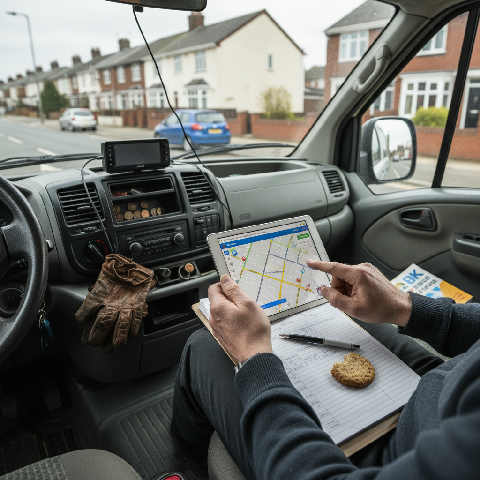
How to Become a Driving Instructor in the UK
Driving instructors teach learners to drive safely and pass their practical test. You plan lessons around each pupil, sit beside them in a dual-control car, explain and demonstrate, spot mistakes before they become dangerous and build their confidence until they are ready for test day. Most instructors are self-employed, working under a driving school franchise or running their own business.
To charge for driving lessons in a car in the UK, you must be an approved driving instructor (ADI) registered with the Driver and Vehicle Standards Agency (DVSA). You qualify by passing three DVSA tests: Part 1 on theory and hazard perception, Part 2 on your own driving, and Part 3 on your ability to teach. No degree or formal qualifications are needed, and most people qualify within a year.
Quick facts
- Starting salary
- £18,000 - £25,000 (first year)
- Mid-career salary
- £28,000 - £40,000
- Senior salary
- £45,000 - £60,000+ (independent, full diary)
- Work environment
- In-car, mostly local area, flexible hours
- Time to entry
- 6 - 12 months (ADI Parts 1, 2, 3)
- Degree required
- Not required (DVSA ADI qualification required)
- Category
- Self-Employed and Business Owner
Compare pay across careers in the UK salaries by career report. Also in: No-degree careers, Career change.
What a Driving Instructor does
Teach learner drivers to pass their test - usually self-employed under your own name or a franchise.
- Independent Driving Instructor - Run your own ADI business under your own brand.
- Franchise Instructor - Work under a national brand (RED, AA, BSM) with leads provided.
How to become a driving instructor in the UK
Before you start, check that you meet DVSA's rules: you need to have held a full driving licence for at least three years and be able to pass a criminal record check, which DVSA arranges when you apply to start the qualifying process. You then book Part 1, a theory test with multiple-choice questions and a hazard perception section. You can take Part 1 as many times as you need.
Part 2 tests your own driving to a high standard, with an eyesight check, vehicle safety questions and around an hour of driving, including independent driving. Part 3 tests your ability to instruct: you give a real lesson to a pupil while an examiner assesses your lesson planning, risk management and teaching and learning strategies. You get three attempts at each of Parts 2 and 3, and you must pass all three parts within two years of passing Part 1. If you run out of attempts or time, you have to start again from Part 1 once the two years are up.
Most people train with an instructor trainer, and DVSA keeps the Official Register of Driving Instructor Training (ORDIT) of trainers who have been inspected. Once you pass Part 3, you apply to join the ADI register and receive your green badge, which you display in the car when you teach. Registration lasts four years, and every ADI must take a standards check with a DVSA examiner while registered.
- Check DVSA's eligibility rules before you pay for anything: a full driving licence held for at least three years and the ability to pass a criminal record check.
- Apply to DVSA to start qualifying, then book and pass ADI Part 1, the theory and hazard perception test, which you can retake as often as you need.
- Choose a trainer, ideally from DVSA's Official Register of Driving Instructor Training (ORDIT), and prepare for the Part 2 driving ability test, where you get three attempts.
- After passing Part 2, decide whether to apply for a trainee licence, which needs at least 40 hours of training from a qualified instructor and a sponsoring driving school.
- Pass Part 3, the test of your ability to instruct, within two years of passing Part 1, then apply to join the ADI register and get your green badge.
- Choose between a driving school franchise and going independent, then arrange specialist instructor insurance, a dual-control car and a way to take bookings.
- Keep your skills up with training, and prepare for the DVSA standards check that every registered ADI must take.
| Route | How long | Cost | Best for |
|---|---|---|---|
| Train with an ORDIT trainer, then go independent | 6-12 months to qualify | Training, test and registration fees; career data puts start-up costs at £3,000-£8,000 including a car lease deposit | People who want to set their own prices and build their own business |
| Train through a driving school, then join its franchise | 6-12 months to qualify | Varies; some schools bundle training with a franchise agreement | New instructors who want pupils and a car provided |
| Trainee licence after Part 2 | 6 months on the licence | DVSA licence fee plus training | Gaining paid teaching experience before Part 3 |
How most people actually get started
Many new instructors are career changers in their thirties, forties or fifties who want flexible, people-facing work. A common first step is joining a driving school franchise, which supplies pupils and often a dual-control car in return for a weekly fee, while you build experience and reviews. Once their diary fills through word of mouth, many instructors go independent and keep all their lesson income.
How long it takes
Most people qualify in 6 to 12 months from starting Part 1, and DVSA requires you to pass all three parts within two years of passing Part 1. A trainee licence after Part 2 lets you teach paid lessons for up to six months while you prepare for Part 3.
Driving Instructor salary in the UK
Driving instructor earnings depend on how many lessons you teach, what you charge and whether you are on a franchise. In TonyKnows career data, first-year instructors earn around £18,000 to £25,000 while they build up pupils, established instructors earn around £28,000 to £40,000, and independent instructors with a full diary can reach £45,000 to £60,000 or more. Franchise instructors typically earn £25,000 to £40,000 and independent instructors £35,000 to £60,000. Because most instructors are self-employed, these figures are before your own business costs such as the car, fuel and insurance.
Is driving instructor a good career?
Driving instructor is a strong career if you genuinely like teaching adults and you're suited to working alone most of the day. Demand is unusually high right now - there are long DVSA test waiting lists, which means full diaries for any reasonable instructor. The honest trade-offs are the time spent alone in the car, dealing with pupil nerves on test day, and the upfront cost of training and a dual-control vehicle.
Key skills
- Patience
- Clear communication
- Calm under pressure
- Self-management
Driving Instructor FAQs
How do I become a driving instructor in the UK?
Check you have held a full driving licence for at least three years and can pass a criminal record check, then apply to DVSA and pass the three ADI tests: Part 1 theory and hazard perception, Part 2 driving ability and Part 3 ability to instruct. Once you pass Part 3, you join the ADI register and get your green badge.
How long does it take to become a driving instructor?
Most people qualify in 6 to 12 months. You must pass all three parts within two years of passing Part 1, and you get three attempts each at Parts 2 and 3.
What is a trainee driving instructor licence?
It is an optional DVSA licence you can apply for after passing Part 2. It lets you give paid lessons for six months while you prepare for Part 3. You need at least 40 hours of training from a qualified instructor and a driving school to sponsor you.
How much does it cost to become a driving instructor?
You pay DVSA test and registration fees plus your training, which varies by provider. TonyKnows career data puts total start-up costs, including ADI training and a dual-control car lease deposit, at around £3,000 to £8,000.
How much do driving instructors earn in the UK?
TonyKnows career data puts first-year instructors at around £18,000 to £25,000, established instructors at £28,000 to £40,000, and independent instructors with a full diary at £45,000 to £60,000 or more, before business costs such as the car and insurance.
Is Driving Instructor right for you?
Career Compass ranks careers from your interests and priorities and explains every suggestion, with UK routes and trade-offs. See how well Driving Instructor actually fits you. £19.99 once, full report included.
Not sure driving instructor is the right career for you? A good career test narrows the field before you spend money retraining.