How to Become a Forensic Scientist in the UK
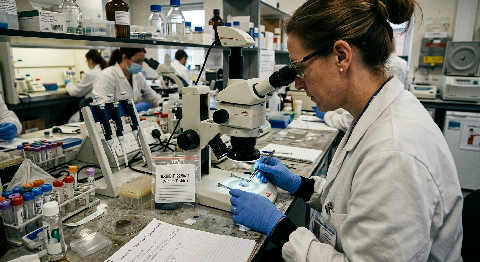
Forensic scientists analyse evidence from crimes, such as DNA, blood, drugs, fibres, glass, firearms residue or digital devices, and write reports that police and courts rely on. Most of the work happens in an accredited laboratory, with occasional scene visits, and you may be called to give evidence in court as an expert witness.
A science degree is essential. Most people study forensic science, chemistry or biology, then start as a forensic assistant or laboratory technician before training up to reporting scientist. Competition for trainee posts is strong, so lab experience matters. For pay from assistant to reporting scientist, see the full forensic scientist salary guide.
Quick facts
- Starting salary
- £24,000 - £30,000
- Mid-career salary
- £32,000 - £45,000
- Senior salary
- £50,000 - £75,000+
- Work environment
- Lab and occasional crime scene visits
- Time to entry
- 3 - 5 Years
- Degree required
- Yes (forensic science or related)
- Category
- Education, Science and Research
Compare pay across careers in the UK salaries by career report. Also in: Stable careers.
What a Forensic Scientist does
Analyse evidence from crime scenes - DNA, drugs, fibres, digital traces - to support investigations.
- DNA Analyst - Process DNA evidence for criminal cases.
- Digital Forensics Investigator - Recover and analyse evidence from phones, computers and cloud services.
How to become a forensic scientist in the UK
You need a degree in forensic science or a core science such as chemistry, biology or biochemistry. The Chartered Society of Forensic Sciences accredits some UK forensic science degrees, which is worth checking before you apply. Employers include police forces and private forensic providers, and roles need police security vetting. Forensic laboratories in England and Wales must meet the Forensic Science Regulator's statutory Code of Practice, so new starters train in quality-controlled methods. Digital forensics is a separate route, often via computing or cyber security qualifications.
- Take A levels or equivalent in chemistry and biology, as almost every relevant degree asks for at least one of them.
- Choose a forensic science, chemistry or biology degree, and check whether a forensic course is accredited by the Chartered Society of Forensic Sciences.
- Get hands-on laboratory experience through a placement year, summer work or a laboratory technician job, as employers look for proven lab technique.
- Apply for forensic assistant, trainee forensic scientist or evidence recovery roles with police forces and private forensic providers.
- Prepare for police security vetting, which looks at your background, finances and associations before you can handle evidence.
- Specialise in an area such as DNA, drugs and toxicology, fire investigation or digital forensics, and build your experience of writing reports for court.
| Route | How long | Cost | Best for |
|---|---|---|---|
| Forensic science degree | 3-4 years | Tuition fee loan | School leavers sure about forensics |
| Chemistry or biology degree | 3-4 years | Tuition fee loan | Keeping wider science careers open |
| Lab technician, then trainee scientist | 2-4 years | Paid while you train | Science graduates who need lab experience |
| Postgraduate forensic science course | 1 year | Postgraduate fees | Graduates in another science |
How long it takes
Expect three to five years: a three or four-year degree, then time as a forensic assistant or laboratory technician before you become a reporting forensic scientist.
Forensic Scientist salary in the UK
Forensic assistants and trainee scientists usually start on around £24,000 to £30,000. Qualified reporting scientists earn £32,000 to £45,000, and senior scientists, specialists and lab managers can earn £50,000 to £75,000 or more. Pay depends on your employer, your specialism and whether you take on court reporting and call-out duties. Digital forensics specialists often earn towards the top of these ranges.
Key skills
- Lab technique
- Attention to detail
- Report writing
- Court testimony
- Chain of custody discipline
Forensic Scientist FAQs
How do I become a forensic scientist in the UK?
Study a degree in forensic science, chemistry or biology, gain laboratory experience, then apply for trainee or assistant roles with police forces or private forensic providers. You will need to pass security vetting and train in accredited methods before reporting on cases.
Do I need a forensic science degree specifically?
No. Many forensic scientists have degrees in chemistry, biology, biochemistry or genetics, which employers value highly. A forensic science degree can help, especially one accredited by the Chartered Society of Forensic Sciences, but strong core science and lab skills matter most.
How much does a forensic scientist earn?
Trainees and assistants usually earn around £24,000 to £30,000. Qualified forensic scientists earn £32,000 to £45,000, and senior specialists and managers can earn £50,000 to £75,000 or more.
Do forensic scientists go to crime scenes?
Sometimes, but less than TV suggests. Most forensic scientists work in the lab. Evidence is usually collected by crime scene investigators employed by the police, though some specialists, such as fire investigators or blood pattern experts, do attend scenes.
Related careers
Is Forensic Scientist right for you?
Career Compass ranks careers from your interests and priorities and explains every suggestion, with UK routes and trade-offs. See how well Forensic Scientist actually fits you. £19.99 once, full report included.
Still deciding whether forensic scientist is the career for you? Here is which career test is actually worth taking, and what a free quiz will not tell you.