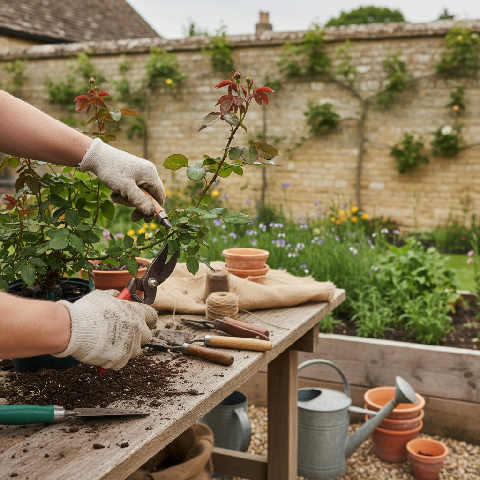
How to Become a Gardener in the UK
Gardeners look after other people's gardens and green spaces: mowing, pruning, weeding, planting and keeping beds, hedges and lawns in good shape through the seasons. Some work for councils, estates, schools or garden maintenance firms; many work for themselves with a round of regular private customers. Landscape gardeners go further and build things, such as patios, paths, fencing, turf and new planting schemes.
You don't need a degree or any formal qualification to start. What matters to customers is that you turn up, do tidy work and are properly insured. This guide covers the routes in, the certificates you need for some jobs, how a gardening round works and what gardeners earn.
Quick facts
- Starting salary
- £24,000 - £27,000
- Mid-career salary
- £27,000 - £35,000
- Senior salary
- £40,000 - £60,000+ (self-employed/landscaper)
- Work environment
- Outdoors in all weather, customer gardens or estates
- Time to entry
- 0 - 2 years
- Degree required
- Not required (RHS optional)
- Category
- Skilled Trades
Compare pay across careers in the UK salaries by career report. Also in: No-degree careers, Career change.
What a Gardener does
Maintain and improve outdoor spaces - private gardens, grounds, and landscapes.
- Landscaper - Design and build patios, decking, planting schemes, and full garden makeovers.
- Groundskeeper - Maintain large grounds - sports clubs, schools, estates.
How to become a gardener in the UK
There are three common ways in. You can start working for yourself with basic kit and insurance, which is the quickest way to earn. You can join a council, estate, school or contractor as an employed gardener and learn on the job. Or you can take a horticulture apprenticeship or a Royal Horticultural Society (RHS) qualification, which helps if you want estate, heritage or garden design work later.
A few jobs need certificates by law or in practice. Applying professional weedkillers and other pesticides needs a certificate of competence, usually the PA1 and PA6 units. Chainsaw work needs proper training, normally a recognised certificate from a body such as City & Guilds NPTC or Lantra. If you take garden waste away, you will usually need to register as a waste carrier. None of these is needed for basic mowing, pruning and weeding, so many gardeners add them once they are earning.
- Buy reliable basic kit, including a mower, strimmer, hedge trimmer and hand tools, plus a vehicle that can carry it and any green waste.
- Take out public liability insurance before your first paid job, as many private customers and most commercial clients will ask for proof.
- Register as a waste carrier with the Environment Agency, or the equivalent body in Scotland, Wales or Northern Ireland, if you take green waste away.
- Get PA1 and PA6 pesticide certificates before using professional weedkillers, because a certificate of competence is a legal requirement for applying them.
- Win your first customers through a leaflet drop, local Facebook groups and a Google Business Profile, and aim to build a round of regular fortnightly visits.
- Add an RHS Level 2 qualification, a chainsaw certificate or landscaping skills over time to move into estate work or higher-paid landscaping.
| Route | How long | Cost | Best for |
|---|---|---|---|
| Start self-employed with basic kit | A few weeks | Kit, insurance and vehicle costs | Earning quickly with no qualifications |
| Employed gardener with a council, estate or contractor | Weeks to months | Free - paid work | Learning with a steady wage |
| Level 2 horticulture apprenticeship | About 1-2 years | Paid by the employer | School leavers and estate careers |
| RHS Level 2 or 3 qualification | Around a year part time | Varies by provider | Moving into estate or design work |
How most people actually get started
Most gardeners start cash-in-hand with a few neighbours' lawns and grow from there. The realistic first 3 months mean a leaflet drop in 200 houses around your area, a basic Google Business profile, and saying yes to almost any job to build a round. Within 6-12 months, the strongest gardeners drop the cheapest jobs and focus on regular fortnightly customers - the bedrock of a sustainable income.
How long it takes
You can be earning as a gardener within weeks once you have basic tools, insurance and a few customers. Building a full round of regulars usually takes six to twelve months, and qualifications or landscaping skills can follow over the next year or two.
Gardener salary in the UK
Employed gardeners usually start on around £18,000 to £24,000, rising to £26,000 to £35,000 with experience or a supervisory role. Self-employed gardeners and landscapers with a full round of regular customers or landscaping work can earn £40,000 to £60,000 or more, before paying for their vehicle, fuel, kit and insurance. Most self-employed gardeners charge by the hour or by the visit, so a full diary of regular customers is what lifts income.
Is gardener a good career?
Gardening is a good fit if you like working outdoors, enjoy practical work and want to be your own boss without years of training first. Demand is steady because people with gardens and less time keep paying for help. The trade-offs are physical strain, weather and a quieter winter unless you plan for it.
Key skills
- Plant knowledge
- Stamina
- Customer service
- Tool use
How to retrain as a gardener
You do not need formal qualifications to work as a gardener, and many start by working for an established gardener or going self-employed. RHS qualifications help with skills and credibility.
Routes for adults
- Start working - Join a landscaping or maintenance firm, or start self-employed with a few regular clients.
- RHS qualifications - Level 2 and 3 courses in horticulture, often part-time or online.
- Apprenticeship - Horticulture or landscaping apprenticeships, paid while you learn.
Paying for it
Many RHS courses are self-funded but modest in cost; apprenticeships are free to you.
Retraining at 40 or 50
One of the most common career changes later in life. Income is modest, so many combine it with garden design or specialist work.
Can I afford to retrain? · Advanced Learner Loans · Free Skills Bootcamps
Gardener FAQs
Do you need qualifications to be a gardener?
No formal qualifications are needed for general garden maintenance. Many gardeners start with basic kit and insurance and learn on the job. Qualifications such as an RHS Level 2 certificate or a horticulture apprenticeship help if you want estate, heritage or design work.
Do gardeners need a licence in the UK?
There is no licence to be a gardener. You do need a certificate of competence to apply professional pesticides, usually the PA1 and PA6 units, and you will usually need to register as a waste carrier if you take green waste away. Chainsaw work needs recognised training.
Is gardening a trade?
Yes. Gardening and landscaping are skilled trades, with apprenticeships, recognised qualifications and many self-employed tradespeople running their own businesses. Landscape gardening in particular overlaps with building trades such as paving and fencing.
How do I become a landscape gardener?
Most landscape gardeners start in garden maintenance or as a labourer for a landscaping firm, then learn paving, fencing, turfing and planting on the job. A horticulture or landscaping apprenticeship is another route. Once you have the skills and kit, you can take on landscaping projects yourself.
Is Gardener right for you?
Career Compass ranks careers from your interests and priorities and explains every suggestion, with UK routes and trade-offs. See how well Gardener actually fits you. £19.99 once, full report included.
Still deciding whether gardener is the career for you? Here is which career test is actually worth taking, and what a free quiz will not tell you.