How to Become a Packaging Designer in the UK
Packaging designers create the boxes, labels, bottles and cartons that sell products on the shelf and online. The work splits into two sides: graphic packaging design, covering branding, typography, illustration and on-pack layout, and structural design, covering the shape, die-lines, materials and how the pack is made, filled and shipped. Most jobs are with branding agencies, in-house brand teams, packaging manufacturers and printers.
A degree helps but is not essential. What gets you hired is a portfolio showing real packs that work in print, plus knowledge of die-lines, print processes and recyclable materials.
Quick facts
- Starting salary
- £26,000 - £36,000
- Mid-career salary
- £40,000 - £58,000
- Senior salary
- £65,000 - £90,000
- Work environment
- Office, studio or remote
- Time to entry
- 1 - 3 years
- Degree required
- Not required - portfolio matters most
- Category
- Marketing and Media
Compare pay across careers in the UK salaries by career report. Also in: High-paying careers, No-degree careers, Creative careers, Career change.
What a Packaging Designer does
Design product packaging that wins on shelf and survives manufacturing and shipping reality.
How to become a packaging designer in the UK
Most packaging designers have a degree or HND in graphic design, product design, illustration or packaging design, but a strong portfolio can stand in for one. Learn Adobe Illustrator, Photoshop and InDesign to a professional standard, and if you want structural work, learn a packaging CAD tool and 3D mock-up software. Understand print processes such as litho, flexo and digital, plus colour management and artwork proofing. Sustainability is now central, as brands want packs that are easier to recycle and cost less under the Plastic Packaging Tax and packaging Extended Producer Responsibility fees. IOM3 offers packaging qualifications if you want to specialise, or later move towards a sustainable packaging specialist role.
- Build a portfolio of 6 to 10 packaging projects, including self-initiated briefs, showing the flat die-line, the printed artwork and photographed physical mock-ups.
- Learn Adobe Illustrator to a professional level for artwork and die-lines, and try a structural packaging CAD tool if you want to design shapes as well as graphics.
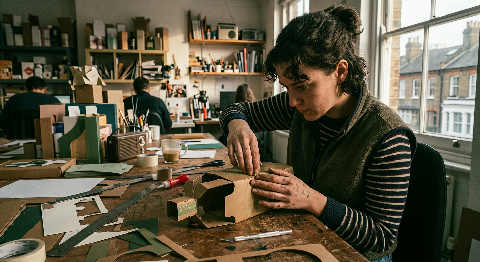
- Make real mock-ups by printing, cutting and folding your own cartons so you understand glue flaps, bleed, tolerances and how flat designs become 3D packs.
- Learn the basics of litho, flexo and digital printing, spot colours and finishes such as foiling and embossing, so your designs can actually be produced.
- Study recyclable materials, mono-material packs and on-pack recycling labels, as UK brands increasingly brief designers on cutting plastic and packaging fees.
- Apply for junior designer or artworker roles at branding agencies, packaging printers and in-house brand teams, or approach carton makers for structural trainee posts.
| Route | How long | Cost | Best for |
|---|---|---|---|
| Degree in graphic, product or packaging design | 3 years | Tuition fee loan | School leavers wanting a structured portfolio |
| Artworker or junior designer role | 1-2 years to step up | Paid role | Designers without a packaging portfolio |
| Design or print apprenticeship | 18-24 months | Paid by the employer | Earning while you learn |
| Short courses plus self-built portfolio | 6-18 months | Varies by provider | Career changers from print or graphic design |
How long it takes
With a design background, you can build a packaging-focused portfolio and land a junior role within a year. Starting from scratch, expect one to three years including study and portfolio building.
Packaging Designer salary in the UK
Junior packaging designers usually earn around £26,000 to £36,000. With several years of experience and a portfolio of launched products, pay rises to roughly £40,000 to £58,000. Senior designers, design managers and structural specialists can reach £65,000 to £90,000. London agencies and large consumer goods brands pay the most. Structural designers who understand materials and manufacturing are harder to find, which helps their pay. Freelance packaging designers set their own day rates, so income depends on how steady your client work is.
Key skills
- Adobe suite
- Print production
- Material knowledge
- Brand systems
- Client comms
Packaging Designer FAQs
How do I become a packaging designer in the UK?
Learn Adobe Illustrator and print production, build a portfolio of packaging projects with real mock-ups, and apply for junior designer or artworker roles at branding agencies, printers and in-house brand teams. A graphic or product design degree helps but is not required.
Do you need a degree to be a packaging designer?
No. Many employers ask for one, but a portfolio showing well-made packs, accurate die-lines and print-ready artwork matters more. People often move in from artworker, printing or graphic design jobs without a packaging-specific degree.
How much do packaging designers earn in the UK?
Junior packaging designers earn around £26,000 to £36,000. Mid-level designers earn roughly £40,000 to £58,000, and senior designers or design managers can reach £65,000 to £90,000, with London agencies and big brands paying the most.
What is the difference between graphic and structural packaging design?
Graphic packaging designers handle what you see on the pack: branding, layout, colour and imagery. Structural designers work out the physical form, materials, die-lines and how the pack is made and shipped. Some designers do both, which makes them more employable.
Is Packaging Designer right for you?
Career Compass ranks careers from your interests and priorities and explains every suggestion, with UK routes and trade-offs. See how well Packaging Designer actually fits you. £19.99 once, full report included.
Not sure packaging designer is the right career for you? A good career test narrows the field before you spend money retraining.