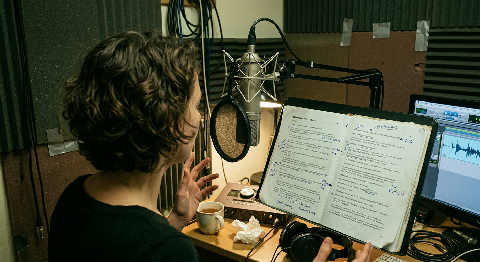
How to Become a Voiceover Artist in the UK
Voiceover artists record spoken audio for adverts, corporate and explainer videos, e-learning, video games, audiobooks, phone systems and animation. Most work now happens from a soundproofed home studio, where you record, edit and deliver files to clients, often with a producer directing you live over the internet.
There is no formal qualification or single route. Most people train their voice through acting or voice coaching, build a professional home setup, make a short demo reel for each style of work, then find clients through online casting platforms and, later, an agent. Income in the first year or two is usually low.
Quick facts
- Starting salary
- £0 - £10,000 (year 1)
- Mid-career salary
- £20,000 - £55,000
- Senior salary
- £70,000 - £200,000+ (top artists)
- Work environment
- Home studio, remote sessions
- Time to entry
- 1 - 3 years (training + showreel)
- Degree required
- Not required
- Category
- Marketing and Media
Compare pay across careers in the UK salaries by career report. Also in: High-paying careers, No-degree careers, Creative careers, Career change.
What a Voiceover Artist does
Record commercial voiceover for ads, e-learning, video games, audiobooks and explainers.
How to become a voiceover artist in the UK
No degree or licence is needed. Many voiceover artists come from acting, radio, presenting or singing, or work as a podcaster, and drama training or specialist voiceover coaching teaches microphone technique, natural reading and taking direction. You need a quiet, acoustically treated space, a good microphone and audio interface, and editing software. Clients and agents judge you on short demo reels, typically a commercial reel and a narration or character reel. Equity, the performers' union, publishes guidance on rates and contracts, and membership gives you support with usage rights and pay.
- Take voice or acting training, ideally with a coach who works in voiceover, to learn breath control, microphone technique and natural reading.
- Set up a treated recording space and learn to record and edit clean audio, because most clients expect broadcast-quality files from home.
- Record a professionally produced demo reel for one style first, such as commercial, e-learning or audiobook narration, rather than one reel for everything.
- Create profiles on online voice casting platforms and audition regularly, treating auditions as practice while you build your first credits.
- Learn how usage rights work, so you charge differently for a broadcast advert, an online video and internal training material.
- Contact production companies, e-learning studios and audiobook publishers directly with your reel, then approach voiceover agents once you have paid credits.
- Consider joining Equity for rate guidance, contract advice and member benefits as your work grows.
| Route | How long | Cost | Best for |
|---|---|---|---|
| Self-taught plus voice coaching | 1-3 years | Varies by coach and equipment | Most voiceover artists |
| Drama school or acting degree | 3 years | Tuition fee loan | People who also want stage or screen work |
| Move across from radio or presenting | Varies | Equipment costs only | Experienced broadcasters |
How long it takes
Expect 1 to 3 years of training, building your setup and auditioning before you earn a steady income. Many people keep another job until their bookings are regular.
Voiceover Artist salary in the UK
Voiceover income is irregular. In your first year, earnings are often very low, anywhere from nothing to around £10,000, while you invest in training, equipment and demos. Working voiceover artists with regular clients usually earn £20,000 to £55,000, and top artists voicing national adverts, games and brands can earn £70,000 to £200,000 or more. Usage fees for broadcast adverts, repeat clients and a good agent make the biggest difference to what you earn.
Key skills
- Vocal performance
- Self-direction
- Audio recording
- Marketing
Voiceover Artist FAQs
How do I become a voiceover artist in the UK?
Train your voice through acting or voiceover coaching, set up a treated home studio, and record a professional demo reel for one style of work. Then audition on casting platforms, approach production companies directly, and look for an agent once you have paid credits.
Do you need qualifications to be a voiceover artist?
No. Clients book you on your demo reel, your audio quality and how well you take direction. Drama training or voiceover coaching helps a lot, but no degree or certificate is required.
How much does a voiceover artist earn in the UK?
First-year earnings are often between nothing and around £10,000. Working voiceover artists with regular clients usually earn £20,000 to £55,000, and top artists can earn £70,000 to £200,000 or more.
Do I need a home studio to do voiceover work?
Yes, for most work. Clients expect clean, broadcast-quality audio delivered quickly, so you need a quiet treated space, a decent microphone and editing skills. Some bigger jobs still record in a professional studio booked by the client.
Is Voiceover Artist right for you?
Career Compass ranks careers from your interests and priorities and explains every suggestion, with UK routes and trade-offs. See how well Voiceover Artist actually fits you. £19.99 once, full report included.
Still deciding whether voiceover artist is the career for you? Here is which career test is actually worth taking, and what a free quiz will not tell you.