How to Become an Animator in the UK
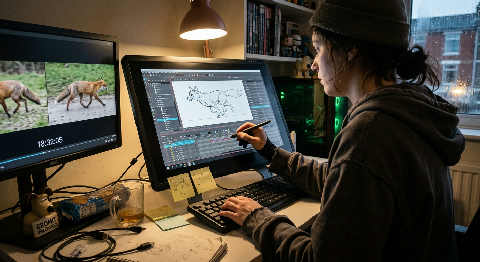
Animators create movement for characters, creatures, objects and effects in film, TV, games, adverts and online video. Depending on the studio you might keyframe 3D characters in Maya or Blender, animate 2D characters in a tool such as Toon Boom Harmony, or work in stop-motion. Most of your day goes on short shots that a lead or director reviews, gives notes on and sends back for refinement.
Your showreel decides whether you get hired. Many animators study animation at degree level, but studios care far more about the quality of your reel than your certificate.
Quick facts
- Starting salary
- £24,000 - £32,000
- Mid-career salary
- £38,000 - £60,000
- Senior salary
- £65,000 - £100,000+
- Work environment
- Studio or remote, project-based
- Time to entry
- 2 - 4 years
- Degree required
- Helpful (animation degree) but showreel decides
- Category
- Design and Creative
Compare pay across careers in the UK salaries by career report. Also in: High-paying careers, Creative careers.
What a Animator does
Bring characters and stories to life for film, TV, games and online video.
- 2D Animator - Hand-drawn or vector animation for film, TV or social.
- 3D Character Animator - Animate characters for games and film.
How to become an animator in the UK
Most UK animators take a degree in animation, computer animation or illustration, or a course at a specialist animation school, and graduate with a showreel. A degree isn't required: self-taught animators with a strong reel do get hired. A small number of apprenticeships exist in VFX and other screen roles, mainly with larger studios. Entry roles include junior animator, assistant animator, 2D clean-up or in-between artist, and layout or previs artist. ScreenSkills, the skills body for the UK screen industries, lists training, events and opportunities for new entrants.
- Master the 12 principles of animation through classic exercises: a bouncing ball, a pendulum, a heavy lift and a walk cycle.
- Pick 2D or 3D and learn one industry tool deeply, such as Maya or Blender for 3D, or Toon Boom Harmony for 2D TV work.
- Film yourself acting out shots as reference, then animate dialogue and body mechanics shots that show clear acting, weight and timing.
- Build a showreel of one to two minutes with your strongest shot first, plus a breakdown listing exactly what you did in each shot.
- Join animation communities, attend festivals and events, and ask working animators for honest feedback on your reel before applying.
- Apply for junior, assistant animator or in-between roles at UK studios, and consider games studios, which also hire character animators.
| Route | How long | Cost | Best for |
|---|---|---|---|
| Animation degree with a showreel | 3 years | Tuition fee loan | Structured training and studio contacts |
| Self-taught or online animation course | 1-3 years | Varies by provider; free software options exist | Career changers building a reel at home |
| Screen industry or VFX apprenticeship | Varies by programme | Paid by the employer | The few who secure a studio place |
| Move from illustration, motion graphics or games art | 1-2 years | Low, mainly software and time | Artists with transferable skills |
How long it takes
Expect two to four years of study and reel-building before your first studio role, though an outstanding reel can get you hired sooner. Related roles such as VFX artist or motion design work can also be a first step into animation.
Animator salary in the UK
Junior animators typically earn around £24,000 to £32,000. Mid-level animators earn £38,000 to £60,000, and lead, senior or supervising animators can earn £65,000 to £100,000 or more. Much of the industry is project-based, so many animators work on fixed-term contracts or freelance, with gaps between productions. Games and high-end film and TV studios tend to pay more than small 2D studios. Some animators earn steadier income as a motion graphics designer for brands and agencies.
Key skills
- 12 principles of animation
- Maya or Blender
- Storytelling
- Acting reference
- Patience
Animator FAQs
How do I become an animator in the UK?
Learn the principles of animation, master one tool such as Maya, Blender or Toon Boom Harmony, and build a short showreel of your best shots. Many animators take an animation degree, but studios hire on the reel. Then apply for junior, assistant or in-between roles.
Do I need a degree to be an animator?
No. A degree helps with training, feedback and contacts, but studios judge you on your showreel. Self-taught animators and people from online courses do get hired when their reel shows strong timing, weight, acting and polish.
How much does an animator earn in the UK?
Junior animators typically earn £24,000 to £32,000. Mid-level animators earn £38,000 to £60,000, and senior or lead animators can earn £65,000 to £100,000 or more. Pay depends on the sector, the size of the studio and how steady your contracts are.
What should be on an animation showreel?
Keep it short, usually one to two minutes, with your best work first. Show body mechanics, acting or dialogue, and a polished walk or run. Tailor it to the job, for example creature work for VFX or gameplay cycles for games, and include a shot breakdown.
Related careers
Is Animator right for you?
Career Compass ranks careers from your interests and priorities and explains every suggestion, with UK routes and trade-offs. See how well Animator actually fits you. £19.99 once, full report included.
Comparing animator with other careers? A career quiz gives you a type; a proper assessment gives you reasons, routes and trade-offs.