How to Become a Commercial Photographer in the UK
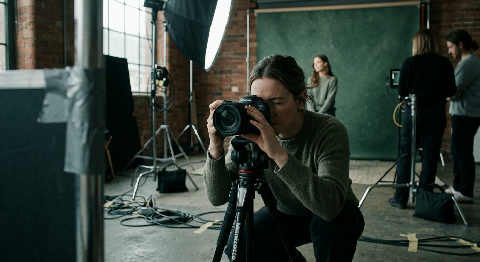
Commercial photographers take pictures that businesses use to sell products and services. Work includes product and packshot photography, food, fashion and e-commerce shoots, corporate portraits, architecture and advertising campaigns. Alongside the shoot itself, you plan with clients, manage lighting, crew and props, retouch images and license how they can be used.
There is no required qualification. Most commercial photographers are self-employed and win work through their portfolio, reputation and client relationships, often after years assisting established photographers.
Quick facts
- Starting salary
- £18,000 - £30,000
- Mid-career salary
- £35,000 - £60,000
- Senior salary
- £70,000 - £150,000+ (top commercial)
- Work environment
- Studio + on-location; mostly freelance
- Time to entry
- 2 - 5 years to build clients
- Degree required
- Not required - portfolio matters
- Category
- Design and Creative
Compare pay across careers in the UK salaries by career report. Also in: High-paying careers, No-degree careers, Creative careers, Career change.
What a Commercial Photographer does
Shoot product, fashion, portraits, food or interiors for brands, magazines and ads.
- Product Photographer - Shoot product imagery for ecommerce and brands.
- Portrait / Editorial Photographer - Shoot people for editorial, fashion or branding.
How to become a commercial photographer in the UK
Clients hire on your portfolio, so the core route is building strong work in a specific area such as product, food, fashion or architecture. Many photographers take a Level 3 photography course or a photography degree, which gives access to studios and critique, but self-taught photographers succeed too. The most common way to learn the business side is working as a photographer's assistant or digital technician on commercial shoots. The British Institute of Professional Photography (BIPP) and the Association of Photographers (AOP) offer training, licensing guidance and membership. You also need public liability and equipment insurance.
- Pick a commercial niche, such as product, food, interiors or corporate portraits, and shoot a focused portfolio of 15 to 20 strong images in that style.
- Work as a photographer's assistant or digital technician on commercial shoots to learn lighting set-ups, client handling and how jobs are quoted.
- Learn professional retouching and colour management in tools such as Adobe Lightroom and Photoshop, as clients expect consistent, print-ready files.
- Understand image licensing and usage fees, so you charge separately for how, where and for how long clients use your photos.
- Register as self-employed with HMRC and arrange public liability and equipment insurance before taking paid commissions.
- Approach marketing managers, design agencies and art directors in your niche with a tailored portfolio, and follow up regularly.
- If you plan to fly a drone for aerial shots, follow Civil Aviation Authority rules, including getting an Operator ID and Flyer ID.
| Route | How long | Cost | Best for |
|---|---|---|---|
| Photographer's assistant | 1-3 years | Paid day rates, low at first | Learning the commercial business on real shoots |
| Photography degree or Level 3 course | 1-3 years | Tuition fee loan or varies by provider | Structured training and studio access |
| Self-taught with a niche portfolio | 1-3 years | Equipment costs vary widely | Career changers with existing photography skills |
How long it takes
You can start assisting within months, but building enough commercial clients to work full-time usually takes two to five years.
Commercial Photographer salary in the UK
Commercial photographer income varies widely because most are self-employed. Early on, expect around £18,000 to £30,000 while you build clients. Established photographers earn £35,000 to £60,000, and top commercial and advertising photographers can earn £70,000 to £150,000 or more. Income depends on your niche, day rate, licensing fees for advertising use, repeat clients and location, with London agency and brand work paying the most. Adding video, or working as a video producer, can widen your income.
Key skills
- Lighting
- Camera craft
- Retouching (Capture One, Lightroom)
- Client management
- Portfolio building
Commercial Photographer FAQs
How do I become a commercial photographer in the UK?
Choose a niche, build a focused portfolio and learn the business by assisting established commercial photographers. Then register as self-employed, arrange insurance, and approach brands, agencies and marketing teams directly. Most photographers build a steady client base over two to five years.
Do you need a degree to be a commercial photographer?
No. Clients hire on portfolio and reliability, not qualifications. A photography course or degree can help with technical skills, studio access and contacts, but many successful commercial photographers learned by assisting and practising.
How much do commercial photographers earn in the UK?
Early-career photographers typically earn £18,000 to £30,000. Established commercial photographers earn £35,000 to £60,000, and top advertising photographers can earn £70,000 to £150,000 or more. Income depends on day rates, licensing fees and how many repeat clients you have.
How is commercial photography different from wedding or portrait work?
Commercial photographers work for businesses, and the images are used for marketing, advertising and products. Pricing usually includes a day rate plus a licence for how the images are used. Wedding and portrait photographers work for private clients, usually on fixed packages.
Related careers
Is Commercial Photographer right for you?
Career Compass ranks careers from your interests and priorities and explains every suggestion, with UK routes and trade-offs. See how well Commercial Photographer actually fits you. £19.99 once, full report included.
Comparing commercial photographer with other careers? A career quiz gives you a type; a proper assessment gives you reasons, routes and trade-offs.