How to Become an Illustrator in the UK
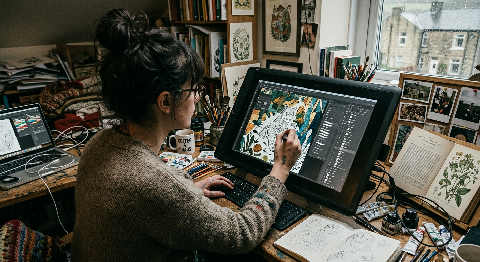
Illustrators create images to order for books, magazines, websites, brands, packaging, games and products. A typical commission starts with a brief, moves through rough sketches and revisions, and ends with final artwork delivered to the client's specification, drawn by hand or in tools such as Procreate and Photoshop. Most illustrators work freelance, juggling several clients at once, while some work in-house for brands, publishers or studios.
There is no required qualification. Clients hire you on the strength of your portfolio and style, and building a steady freelance income usually takes several years.
Quick facts
- Starting salary
- £18,000 - £28,000
- Mid-career salary
- £30,000 - £55,000
- Senior salary
- £60,000 - £100,000+ (top names much higher)
- Work environment
- Mostly freelance or in-house brand teams
- Time to entry
- 2 - 5 years to build a name
- Degree required
- Not required - portfolio decides
- Category
- Design and Creative
Compare pay across careers in the UK salaries by career report. Also in: High-paying careers, No-degree careers, Creative careers, Career change.
What a Illustrator does
Create custom illustration for editorial, brand, books, products and packaging.
- Editorial Illustrator - Illustrate articles for newspapers, magazines and online.
- Brand Illustrator - Build illustration systems for brands, products and ads.
How to become an illustrator in the UK
Many illustrators study a BA in Illustration or a related art and design degree, often after a foundation diploma in art and design, but plenty are self-taught or move across from graphic design. What matters is a focused portfolio that shows a consistent style and the kind of work you want to be hired for. Most illustrators are self-employed, so you register with HMRC as a sole trader and learn to price, invoice and license your work. As a freelancer you own the copyright in your illustrations by default, so contracts usually license usage rather than transfer ownership. The Association of Illustrators (AOI) offers guidance on contracts and pricing.
- Choose the market you want to work in, such as children's books, editorial, packaging or brand illustration, and study the illustrators already working there.
- Build a focused portfolio of your strongest pieces in a consistent style, including self-set briefs that look like the commissions you want.
- Put your portfolio on a simple website and share work regularly on Instagram, Behance or similar platforms where art directors look for illustrators.
- Send short, targeted emails with a link to your portfolio to art directors, publishers and agencies whose work matches your style.
- Register as a sole trader with HMRC and learn to quote fees based on usage, territory and licence length, not just the hours spent.
- Use the Association of Illustrators' contract and pricing guidance, and don't assign your copyright unless you are paid properly for it.
- Once you have a body of published work, consider applying to an illustration agency, which can find bigger commissions in return for a share of your fee.
| Route | How long | Cost | Best for |
|---|---|---|---|
| BA in Illustration or art and design | 3 years | Tuition fee loan | People who want structured training and contacts |
| Self-taught portfolio, then freelance | 2-5 years | Low, mostly equipment and software | Self-motivated artists |
| In-house design or illustration role | Varies | None, paid work | People wanting a steady salary |
| Foundation diploma in art and design | 1 year | Often free for under-19s | School leavers unsure which art path to take |
How long it takes
You can take your first paid commission as soon as your portfolio is ready, but building a steady income usually takes 2 to 5 years of consistent work, outreach and repeat clients.
Illustrator salary in the UK
Illustration income varies hugely. Early on, illustrators typically earn around £18,000 to £28,000, often combining freelance commissions with other work. Established illustrators earn around £30,000 to £55,000, and in-demand names earn £60,000 to £100,000 or more, with the very top much higher. Income depends on your market, licensing fees and usage rights, repeat clients and whether you have an agent. Advertising and brand work usually pays more than editorial or picture books, and freelancers cover their own tax, pension and equipment costs.
Key skills
- Drawing
- Style development
- Procreate / Photoshop
- Client management
- Pricing
Illustrator FAQs
How do I become an illustrator in the UK?
Build a focused portfolio in a consistent style aimed at a specific market, share it online, and contact art directors, publishers and agencies directly. Many illustrators study a BA in Illustration, but clients hire on portfolio, not qualifications. Most work freelance as sole traders.
Do I need a degree to be an illustrator?
No. A degree in illustration or art and design can help you develop your style and build contacts, but clients and agents judge you on your portfolio. Many successful illustrators are self-taught or came from other creative jobs.
How much do illustrators earn in the UK?
Early-career illustrators typically earn £18,000 to £28,000. Established illustrators earn around £30,000 to £55,000, and in-demand illustrators £60,000 to £100,000 or more. Income depends on your market, licensing fees and whether you have an agent.
Do illustrators need an agent?
No, but an agent can help. Agents promote your work to bigger clients, negotiate fees and handle contracts in return for a percentage of your fees. Many illustrators work without one, especially early on, and find clients through their own outreach and social media.
Related careers
Is Illustrator right for you?
Career Compass ranks careers from your interests and priorities and explains every suggestion, with UK routes and trade-offs. See how well Illustrator actually fits you. £19.99 once, full report included.
Comparing illustrator with other careers? A career quiz gives you a type; a proper assessment gives you reasons, routes and trade-offs.