How to Become a Sports Massage Therapist in the UK
Sports massage therapists treat muscle tension and soft tissue problems for athletes and active people, and increasingly for desk workers with aches and pains. Most work for themselves in clinics, gyms, sports clubs or mobile practices.
You do not need a degree. The usual route is a Level 3 Certificate in Sports Massage Therapy, then a Level 4 qualification to assess and treat injuries. Sports massage is not a protected title in the UK, so what clients, clinics and insurers look at is the level you trained to, your insurance and your membership of a professional body such as the Sports Massage Association. This guide covers the courses, how long each stage takes, how most people find their first clients and what the work is really like.
Quick facts
- Starting salary
- £20,000 - £26,000
- Mid-career salary
- £28,000 - £40,000
- Senior salary
- £45,000 - £60,000
- Work environment
- Clinic, gym, mobile, or sports team
- Time to entry
- 6 - 12 months
- Degree required
- Not required (Level 3-5 qualification)
- Category
- Sport, Fitness and Wellbeing
Compare pay across careers in the UK salaries by career report. Also in: No-degree careers, Career change.
What a Sports Massage Therapist does
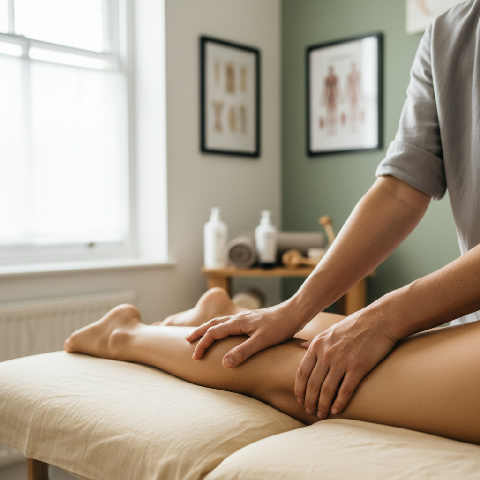
Treat clients with sports and remedial massage to recover and prevent injury.
How to become a sports massage therapist in the UK
Start with a Level 3 Certificate in Sports Massage Therapy from an approved training centre. It covers anatomy and physiology, massage techniques, client consultation and pre and post-event massage, with a set number of practical hours and case studies before you are assessed. Level 4 adds assessment and treatment of soft tissue dysfunction and injury, with techniques such as soft tissue release and muscle energy techniques, which is where most clinic work is. Some therapists go on to a Level 5 Diploma in Soft Tissue Therapy.
When you compare courses, check which awarding body certifies the qualification, how much of the training is hands-on and supervised in person rather than online, how many case study hours you need to log, and whether the qualification is accepted by the professional body and insurers you plan to use. A cheap course that insurers will not cover is a false saving.
- Take a Level 3 Certificate in Sports Massage Therapy with an approved training centre.
- Practise on friends, local clubs and event massage to log case studies and build confidence.
- Get professional indemnity and public liability insurance and join a professional body.
- Take a Level 4 qualification to assess and treat injuries and widen what you can offer.
- Rent a room in a gym or clinic, go mobile, or join a sports club, and build repeat clients.
- Add a Level 5 soft tissue therapy diploma or related skills such as rehab exercise.
| Route | How long | Cost | Best for |
|---|---|---|---|
| Level 3 sports massage certificate | About 3-6 months part-time | Roughly £700-£1,500 | Getting started |
| Level 4 sports massage certificate | About 6-12 months part-time | Roughly £1,500-£2,500 | Clinical and injury work |
| Sports therapy degree | 3 years | Tuition fee loan | Those aiming at sports therapist roles |
| Personal trainer adding massage | A few months | Course fees | PTs widening their services |
How most people actually get started
Most sports massage therapists train part-time alongside another job, often in fitness, sport or healthcare. They treat friends, team-mates and local club members to log their case studies, then start charging a few clients a week from home, a mobile kit or a rented room in a gym. Event massage at running races and sports days is a common way to get hands-on practice and meet future clients. Once Level 4 is done and word of mouth builds, many move into a clinic room a few days a week or join a physiotherapy or sports injury clinic.
How long it takes
You can complete a Level 3 course and start treating clients in three to six months. Level 4, which most clinic work needs, adds another six to twelve months.
Sports Massage Therapist salary in the UK
Self-employed sports massage therapists in the UK usually charge around £40-£70 for an hour's treatment, depending on area and level. Employed roles pay £20,000-£26,000 to start and £28,000-£40,000 with experience. Busy clinic owners and therapists working with professional teams earn £45,000-£60,000. Our sports massage therapist salary guide breaks down employed and self-employed earnings.
Is sports massage therapist a good career?
Sports massage is a good fit if you want a hands-on, people-focused job you can train for in months rather than years, and you are happy to build your own client base. It suits people already in fitness or sport, and it works well part-time alongside another job. The trade-offs are physical strain, evening and weekend work, and income that depends on keeping your diary full.
Key skills
- Anatomy
- Manual technique
- Communication
- Stamina
Sports Massage Therapist FAQs
What qualification do you need to be a sports massage therapist?
A Level 3 Certificate in Sports Massage Therapy is the entry qualification. A Level 4 qualification is needed to assess and treat injuries, and most clinics look for it.
How long does it take to become a sports massage therapist?
Around three to six months part-time for Level 3, then six to twelve months more for Level 4.
Can you do a sports massage course online?
Theory such as anatomy can be studied online, but massage is a hands-on skill and the recognised Level 3 and Level 4 qualifications include supervised practical training and assessment in person. Check this before you book, as insurers and professional bodies may not accept courses without it.
Do you need insurance to be a sports massage therapist?
Yes, in practice. Professional indemnity and public liability insurance protect you if a client is injured or makes a complaint, and clinics, gyms and clubs will usually ask to see your cover before you work with them.
What is the difference between a sports massage therapist and a sports therapist?
A sports therapist usually has a degree and covers injury assessment, rehabilitation and pitch-side care. A sports massage therapist focuses on soft tissue treatment and qualifies through Level 3 to 5 courses.
Is Sports Massage Therapist right for you?
Career Compass ranks careers from your interests and priorities and explains every suggestion, with UK routes and trade-offs. See how well Sports Massage Therapist actually fits you. £19.99 once, full report included.
Still deciding whether sports massage therapist is the career for you? Here is which career test is actually worth taking, and what a free quiz will not tell you.